

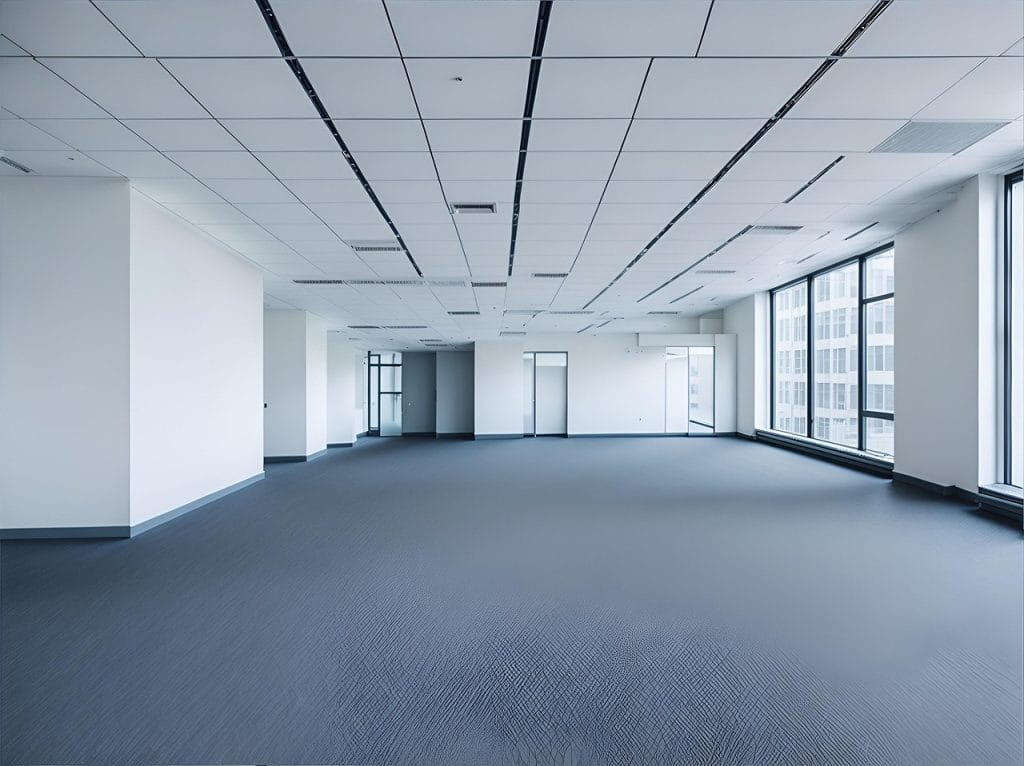
In an industrial facility, paint is not a cosmetic afterthought. It is a protective system. The right coating helps reduce corrosion on steel, improves cleanability on walls and concrete, and keeps safety markings sharp and easy to see. It also helps facilities stay inspection-ready, because clean, stable surfaces are easier to review during audits.
Fort Worth, TX adds its own challenges. Summer heat, fast-moving storms, and humidity swings can beat up exterior coatings. Inside, dust, vibration, frequent cleaning, and heavy traffic wear finishes down faster than most people think. Facilities in nearby areas like Keller, Grapevine, Southlake, Arlington, Mansfield, and Colleyville deal with the same conditions.
This guide covers what industrial painting usually includes, why it matters locally and how to choose a contractor with confidence.
What’s Typically Included In Industrial Painting Services
Industrial scopes depend on the facility, the surface, and the exposure. A fabrication shop may need corrosion resistance and impact durability. A distribution center may need better visibility, abrasion resistance, and coatings that handle regular cleaning. Even with those differences, most strong projects follow the same structure. When you invest in industrial painting services, these are the core items that should be clear in the scope:
- On-site assessment to confirm surfaces, access points, staging areas, and operational constraints
- Surface preparation such as washing, degreasing, sanding or grinding, rust removal, and minor repairs (facility-ready systems often follow established surface prep standards)
- Protection of equipment, inventory, and adjacent work areas through masking and careful staging
- Containment planning to control dust and overspray when required by the site or coating system
- Coating system selection matched to the environment, including primers and durable topcoats
- Application using brush, roll, spray, or specialty methods based on the surface and conditions
- Safety procedures, including PPE expectations, lift planning, signage, and daily jobsite communication
- Scheduling that reduces downtime through phasing, after-hours windows, or zone-by-zone sequencing
- Quality checks, cure time tracking, cleanup, and a final walkthrough with documented closeout
A reliable contractor tailors these steps to your site. They can also explain why each step matters. That clarity prevents surprises, especially when schedules and safety rules are non-negotiable.
Why These Services Matter For Fort Worth Facilities
Fort Worth weather affects exterior coatings. Long heat cycles can speed up breakdown, and storm cycles also raise moisture exposure. That is why timing, prep, and product choice matter as much as application.
Inside the facility, the main threats are wear and contamination. Forklifts, pallets, vibration, airborne dust, and routine cleaning can damage low-grade coatings quickly. When finishes fail, rust spreads faster, concrete is harder to clean, and safety markings fade. That can raise risk and reduce inspection readiness.
A well-planned coating system protects assets. It can extend steel life, reduce maintenance on high-touch surfaces, and keep work zones clearly marked. It also helps with safety audits, insurance visits, and customer walkthroughs.
Specialized Add-On Services For Industrial Environments
Many facilities need more than standard wall or structural coatings. High-use areas often need systems built for heavy traffic, chemical exposure, or frequent washdowns.
Common add-ons include epoxy flooring systems, high-durability wall coatings, and protection for tanks, piping, or secondary containment zones. If your site uses oils, solvents, or harsh cleaners, you may need coatings chosen for chemical resistance and easier sanitation.
The best time to talk about add-ons is before the estimate is final. Identify exposure risks early. The right system may need more prep, longer cure time, or phased scheduling. Planning upfront reduces change orders and keeps operations moving.
Step-By-Step Process Of An Industrial Painting Project
In industrial work, the process matters as much as the finish. Facilities need predictability. You should know what areas will be contained, how safety will work, and when zones can return to service. Clear steps reduce downtime surprises and protect both teams.
- Site assessment and planning. Surfaces, exposure conditions, access needs, and operational limits are reviewed. Phasing and downtime planning start here.
- Scope and coating system selection. Prep steps, coatings, number of coats, and performance targets are defined based on the environment.
- Preparation and protection. Cleaning, repairs, rust control, and masking are completed so the system bonds well and nearby assets stay protected.
- Containment and safety setup. Work zones are marked, ventilation is planned if needed, and lift and PPE rules are reviewed (many teams reference the EPA’s spray painting best practices checklist).
- Application and cure management. Coatings are applied to spec, with attention to thickness, coverage, and cure time.
At Millan Painting, we focus hard on prep and communication. Those two things drive outcomes. Clients also like knowing what happens each day and when areas will be usable. That approach supports long-term performance, which is why our work includes a 5-year labor and materials warranty.
Choosing An Industrial Painting Contractor In Fort Worth
Industrial painting takes more than basic painting experience. Choose a contractor who can explain safety practices, containment plans, and coating choices in plain language. Ask about work in facilities like yours, especially if lifts, access planning, and traffic control are part of the job.
Local knowledge matters too. Fort Worth-aware contractors are more likely to plan exterior work around weather windows and cure requirements. You also want strong project management, because industrial work often includes zones, shifting schedules, and coordination with site leadership.
Millan Painting has served Fort Worth and nearby communities since 2010. Our reputation comes from reliability, clear communication, and results that hold up. If you want to see how we plan around active spaces, this breakdown of after-hours office painting in Fort Worth shows what the process looks like.
Cost Expectations For Industrial Painting Services
Industrial pricing depends on surface condition and site complexity. Square footage matters, but prep and access often matter more. Rust removal, concrete repair, and specialty coatings raise upfront cost. They can also extend service life, which is where the value shows up.
Access and scheduling also change budgets. High ceilings, lift work, tight equipment areas, and containment add labor. After-hours work may cost more, but it can reduce operational impact. For many facilities, that tradeoff is worth it.
The best estimates are easy to compare. They spell out prep methods, coating systems, number of coats, safety steps, containment approach, and closeout details. If you are comparing bids, pick the one that defines performance and compliance, not just price.
Interior Vs. Exterior Industrial Painting: Key Differences
Interior and exterior coatings have different priorities because exposure is different. Interiors often need cleanability, chemical resistance, and air planning. Exteriors need UV stability, moisture tolerance, corrosion protection, and weather-aware scheduling.
Interior Industrial Painting
Interior areas are performance-driven. Many facilities need coatings that handle repeated cleaning and contact. Some spaces need low-odor products, controlled ventilation, or systems that fit sanitation routines.
In occupied spaces, dust and overspray control are not optional. That is why experienced crews plan containment, staging, and cure windows to protect production and indoor air quality. The goal is a finish that performs under real use.
Exterior Industrial Painting
Exterior work is about protection and longevity. In Fort Worth, UV and heat can chalk or fade coatings faster. Storms and humidity swings increase moisture stress. Steel needs proper priming and corrosion control. Masonry and stucco need systems that handle moisture movement without trapping water.
Good exterior planning includes realistic scheduling around weather and cure time. Even the best product can fail if applied in the wrong conditions. A contractor who explains this is protecting your investment.
When you are ready to plan a facility upgrade in Fort Worth, call Millan Painting at 817-545-9025 to request an estimate or consultation. You will receive a clear scope, a planned process, and workmanship backed by our 5-year labor and materials warranty, so you can move forward with confidence. If you want to see the range of projects we handle, browse our past work gallery.